Genesis

Walking Before God in Wholehearted Faith
Today’s passage is far more than the institution of circumcision. It is about covenant identity, belonging, and the visible mark of an invisible relationship.


Today’s passage is far more than the institution of circumcision. It is about covenant identity, belonging, and the visible mark of an invisible relationship.
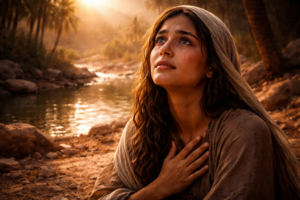
This chapter is not just about Sarai and Hagar, it is about the tension we all feel when God’s promises seem delayed. It reveals what happens when we try to orchestrate our own outcomes instead of trusting God’s timing. Yet even in human failure, we see the mercy of a
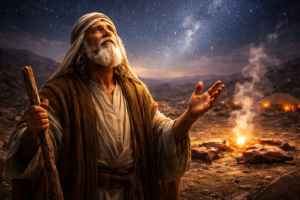
Abram has just returned from a great victory, yet instead of triumph we see him wrestling with uncertainty. He has no heir, no visible fulfillment of God’s promises, and the future seems unclear. Into that moment God speaks words that still echo through Scripture: “Do not fear, Abram. I am
Before Abram meets the king of Sodom, he encounters a far greater figure, Melchizedek, king of Salem and priest of God Most High. In this brief exchange of bread, wine, blessing, and decision, God reveals deep truths about worship, priesthood, blessing, and the posture of faith.

Faith is not passive. It listens, responds, and moves when God stirs the heart. Abram did not seek conflict, but he did not shrink from it either. He stepped into danger because love compelled him, faith strengthened him, and God went before him.

As we follow the story about Abram and Lot, we discover timeless wisdom for our own decision-making. Wisdom that guards us from spiritual harm, strengthens our walk with God, and leads us into the fullness of His promises.

From Abram’s willingness to step into the unknown, God began to build a family, a people, and ultimately a Savior for the whole world. Abram’s story reminds us that faith usually opens with a single obedient step, and that worship often follows our steps of obedience.

In a moment of fresh beginnings, Noah’s first act was not to rebuild his home or secure resources, but to worship. His altar of thanksgiving became the starting point of God’s next great declaration of grace.

For more than a year, Noah and his family remained inside the ark, surrounded by silence, uncertainty, and waiting. Day after day they lived in a wooden vessel with no clear timeline of when life would return to normal.

Noah’s story is far more than an account of a flood; it is a picture of how God preserves His people, provides a refuge, and points to the greater salvation found in Christ.

A long list of names, ages, and genealogies can feel far from the action of the biblical story. But this chapter is far more than a family record. It is a theological bridge between Eden and the flood, a reminder of God’s faithfulness in a world broken by sin. Behind
Adam and Eve have two sons, Cain and Abel, and like all humanity after them, these two men must approach God in worship. Their offerings were not merely rituals, they revealed the condition of their hearts.